
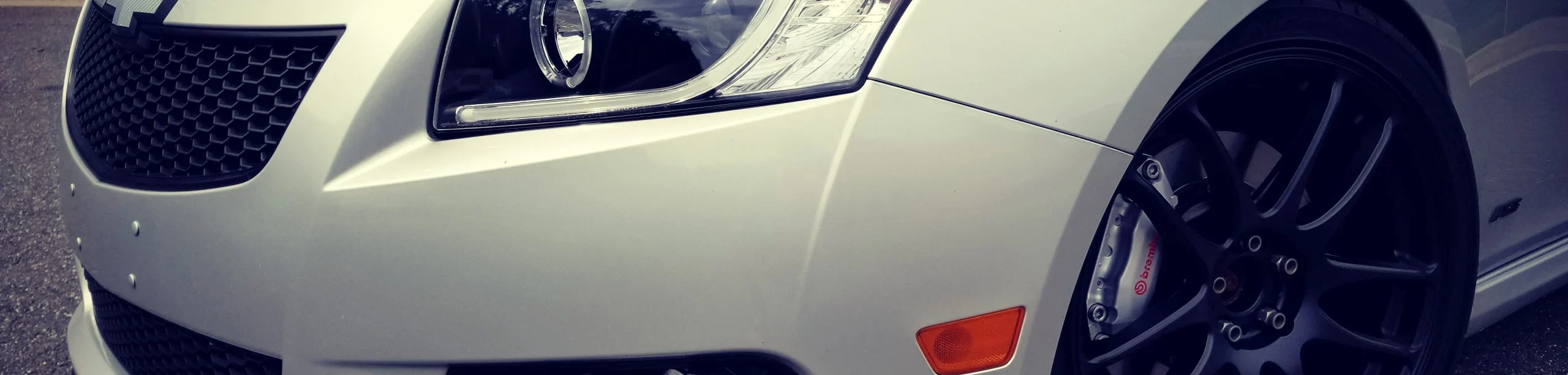
When considering upgrades to enhance your vehicle’s performance, investing in high-performance tires is one of the most impactful changes you can make. While other modifications, like a sophisticated suspension system or a horsepower-boosting turbocharger, may seem appealing, the effectiveness of these upgrades is significantly influenced by the tires’ ability to grip the road.
Tires are crucial in a vehicle’s overall performance, even if they aren’t the most visually striking feature. While they may not be the first component to upgrade, they are essential for improving the vehicle’s performance and should be prioritized.
It’s essential to understand the specifications of your vehicle’s current wheels and tires to determine the best fitment for new wheels and tires. For instance, the stock wheels of a Chevrolet Cruze LTZ measure 18 inches in diameter, are 7.5 inches wide, and have a 42mm offset. This information can typically be found on the back of the wheel, while the tire size, such as the 225/45-18 that comes with the LTZ model, can be located on the tire’s sidewall. In this context, “225” refers to the tire’s width in millimeters, “45” indicates that the sidewall height (profile) is 45% of the width, and the 18 means it fits an 18-inch wheel.
Utilizing a fitment calculator can help expedite the fitment process for new wheels and tires. Online tools, such as the one on willtheyfit.com, allow car enthusiasts to input current wheel and tire specifications and explore potential new configurations. While these calculators may not guarantee 100% accuracy—since tire dimensions can vary significantly based on the manufacturer—they provide a close approximation that can aid the fitting process.
When working with the fitment calculator, I focused on three key measurements: Poke, Inset, and Speedo error. After upgrading the brakes, I opted for 20mm spacers to ensure the wheel spokes adequately cleared the wider calipers. These spacers effectively altered the wheel’s offset to 22mm (calculated as 42mm offset minus 20mm spacer), achieving a flush look that met my aesthetic goals.
I began by inputting the original equipment manufacturer (OEM) wheel specifications into the existing setup calculator and recorded the Inset measurement, which was 137mm. Since the OEM wheels, without the spacers, didn’t rub against the inner components, I knew this inset measurement was a safe choice.
Next, I adjusted the offset value to the new 22mm and noted the Poke measurement, which was 73mm. This figure represents the distance of the wheel’s outer edge with the 20mm spacer.


Continuing my calculations, I experimented with various wheel widths and offsets in the new setup calculator until I identified a combination that closely aligned with the previously recorded Inset and Poke measurements. Ultimately, I concluded that an 8.5-inch wheel width combined with a 35mm offset would yield a Poke of 73mm, matching my original measurement, while the Inset increased to 143mm, 6mm more than the OEM inset. 6mm is just under a quarter of an inch, a minor but possibly significant difference.
To ensure that the Inset difference would not create any issues, I took measurements with the wheel turned in both directions. This approach revealed adequate clearance for the existing wheel and tire, giving me confidence that I would not encounter any rubbing with a wider setup.
Next, after determining the appropriate wheel width and offset, I focused on selecting the tire width and profile. I was confident that a 235mm tire would fit, but I aimed for a slightly wider option. While a 255mm tire seemed overly ambitious, I targeted 245mm. I input the new tire specifications into the calculator, adjusting the profile to minimize the speedo error. The ideal tire size calculated was 245/35-19. This configuration resulted in a negligible speedometer error of just 0.8%. I’ll discuss details about the 19-inch wheel later.
Selecting the right wheel style can be challenging, especially for those who find decision-making difficult, like me. One significant hurdle was the specific bolt pattern used for the Chevrolet Cruze, denoted as 5X10⁵. This unique specification complicated the search for compatible aftermarket wheels, raising concerns about GM’s view on vehicle customization. It’s as if they do it on purpose.
While searching for suitable wheels with the Cruze’s bolt pattern, I came across several companies, but none appealed to me. After extensive research, I discovered the Work Wheels website, which featured various wheel designs that piqued my interest. Although they didn’t have wheels with the 5X10⁵ bolt pattern I needed, they did offer the option for custom-drilled patterns on selected models.
I ultimately chose the Work Emotion CR Kiwami wheels, sized at 19×8.5 with a 35mm offset. While 19-inch wheels are heavier than 18-inch wheels, I have always wanted 19s. The reason is silly, but if you’re interested in knowing why, contact me, and I’ll explain.
I aimed for tires that could perform well on the street and the track. R-compound tires are street-legal tires that bridge the gap between high-performance summer tires and dedicated track tires. After examining numerous R-compound tire options and their test results, I opted for the Yokohama Neova AD08R. The fantastic team at my local wheel and tire shop, Quality Tire, assisted by ordering 235/35 and 245/35 sizes in the event the wider tires didn’t fit.
While evaluating the tire sizes on the vehicle, I determined that the 245s were too wide for both the front and rear, necessitating either rolling or pulling the fenders. The 235s fit appropriately on the front but were still too wide for the rear. Ultimately, I decided to proceed with the 245s for the added performance benefits, understanding I would need to roll or pull the rear fenders no matter which size I chose. Having the front fenders done made sense since the rears would be pulled no matter what.
I sent images of the 245s mounted on my vehicle to a professional fender rolling shop to ensure a proper fit. They assessed the situation and confirmed they could complete the necessary modifications. The team at Quality Tire reinstalled the OEM wheels, and I transported the new wheel and tire setup to the shop for the fender work.
The technicians spent several hours making the fender adjustments, pulling them out enough for the 245s to fit properly. Following the modifications, I conducted a test drive, pushing the vehicle into sharp turns to check for any signs of rubbing. I didn’t encounter any issues during the drive, which was promising.
After returning to the shop, the team lifted the vehicle to inspect the wheel wells for potential rubbing. They noted some minor signs of rubbing on the plastic liner in the front and rear wheel wells; however, this was not a structural concern. I felt confident in the modifications since I didn’t hear any rubbing sounds inside the vehicle.
In conclusion, upgrading the wheels and tires on my Cruze was a meticulous process that required careful calculations, considerations, and modifications for both performance and aesthetics. To some, tires may seem to take a backseat to flashier modifications, but their impact on handling, grip, and overall performance can’t be overstated. By utilizing a fitment calculator and conducting thorough research, I found the perfect combination of width, offset, and tire size that enhanced the car’s performance and visual appeal. Ultimately, these thoughtful upgrades will transform how my Cruze handles on both the street and the track, bringing my vision to life.
I look forward to experiencing the improved performance firsthand and sharing that journey with others equally passionate about customizing their vehicles.

